About Tashi Lhunpo

The Monastery

Tashi Lhunpo Monastery preserves the traditions of Tibetan Buddhism while educating and guiding the next generation of monks in philosophy, compassion, and service.

Tashi lhunpo logo on a dark background.
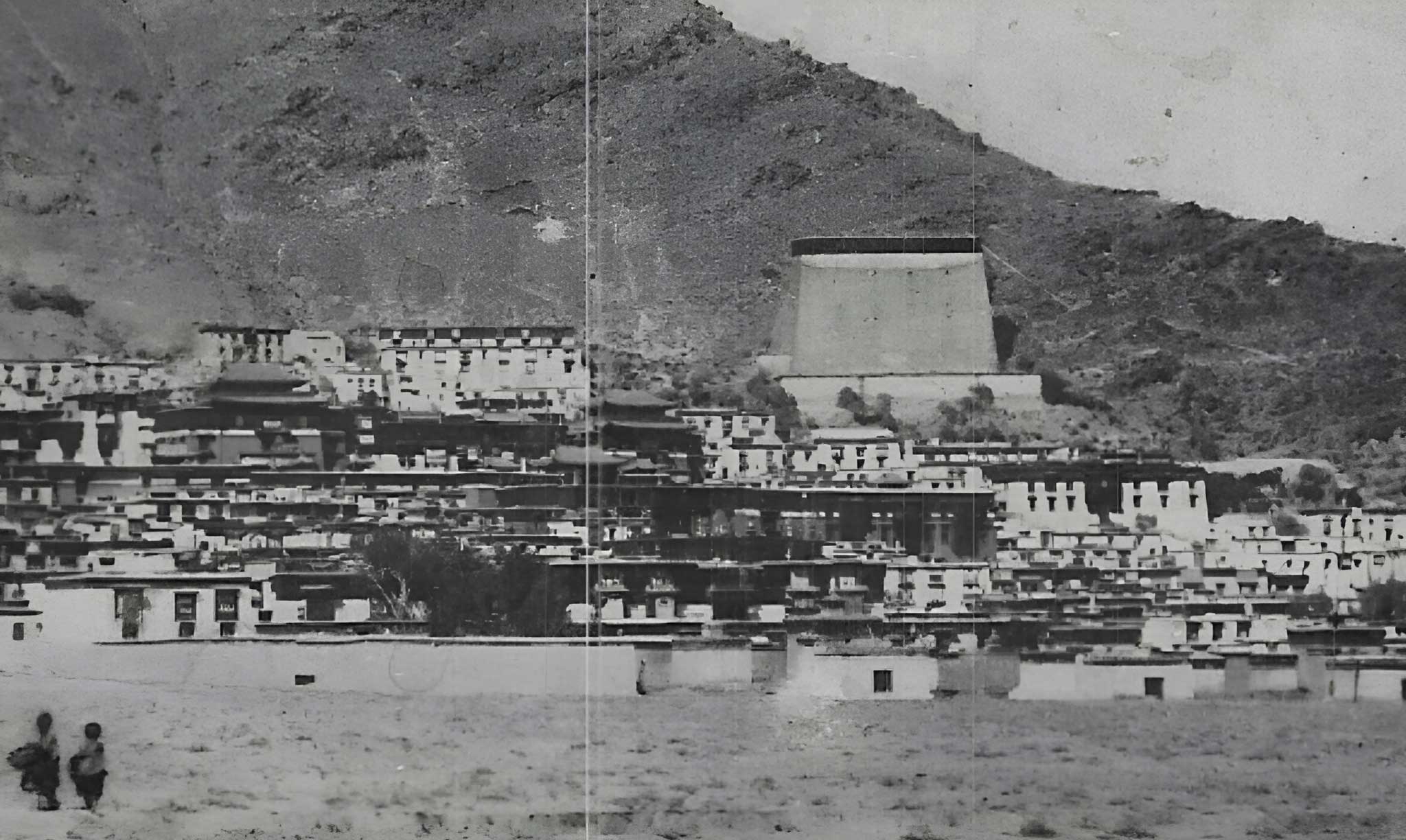
The Tashi Lhunpo monastery complex surrounded by lush green trees and hills.

Our purpose

Preserving Tibetan Buddhist Heritage

We in Tashi Lhunpo Monastery maintain our efforts to preserve the unique Tibetan Buddhist culture which flourished for six centuries in Tibet. From our monastery, re-established in India by His Holiness the 14th Dalai Lama, we are now able to share with a wider world community the teaching and traditions of our monastery by travelling abroad and making new friends.

We continue to work in exile as a community to promote the study of Buddhist Philosophy, seeking understanding that is free from unawareness and misunderstanding.

We thank you for your generosity and support for Tashi Lhunpo Monastery during this difficult period for the Tibetan people.

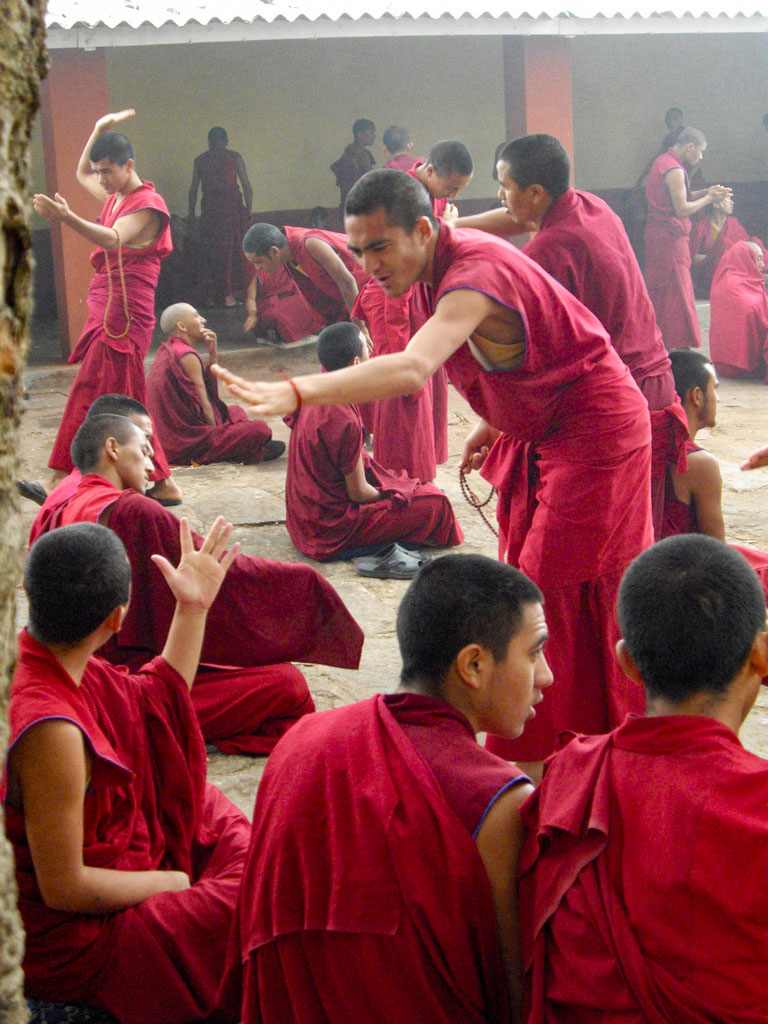
A person in maroon robes gesturing dynamically during a traditional debate.
the practise of Taksel

Our Core Values

The Principles of the Monastery

  • 01

    To Maintain Peace and Harmony

    The Monastery endeavours to maintain peace and harmony both within individuals and with the world at large, and to protect the environment, taking into consideration the feelings of others, and following the example of His Holiness the Dalai Lama and His Holiness the Panchen Lama.
  • 02

    To Be Good Human Beings

    Tashi Lhunpo Monastery endeavours to provide a healthy environment for the monks to develop into strong human beings with compassion, a sense of sacrifice, honesty and a deep respect for all beings.

  • 03

    To Promote a Sense of Responsibility and Service

    Each Monk in Tashi Lhunpo Monastery is encouraged to develop as a responsible and caring member of the monastic community itself and the world at large, acknowledging that the earth is home and all people members of one family.

Joining the Monastic Community

Admission to the Monastery

Admission to the monastery is granted to all and food and accommodation are offered free of charge. There are two levels of admission. Those who wish to be admitted to the monastery as monks must refer to a senior monk as their teacher and become his disciple. Each student must approach the Abbot for the hair cutting ceremony and to take the monastic oath, and he will be admitted to the monastery when a vacancy arises.

His Holiness the Dalai Lama has expressed the wish that there should be 1,500 monks studying in Tashi Lhunpo to make sure that the unique practices and teachings of the monastery are preserved for the future. Currently there are just over 400 monks in the community, ranging in age from the youngest at around 5 years of age to the oldest, in his nineties. Monks come from all over the Himalayan region including Tibet, India, Nepal and Bhutan.

Others may wish to join the school to receive an education and to study Buddhist philosophy and may not aspire to become fully ordained.

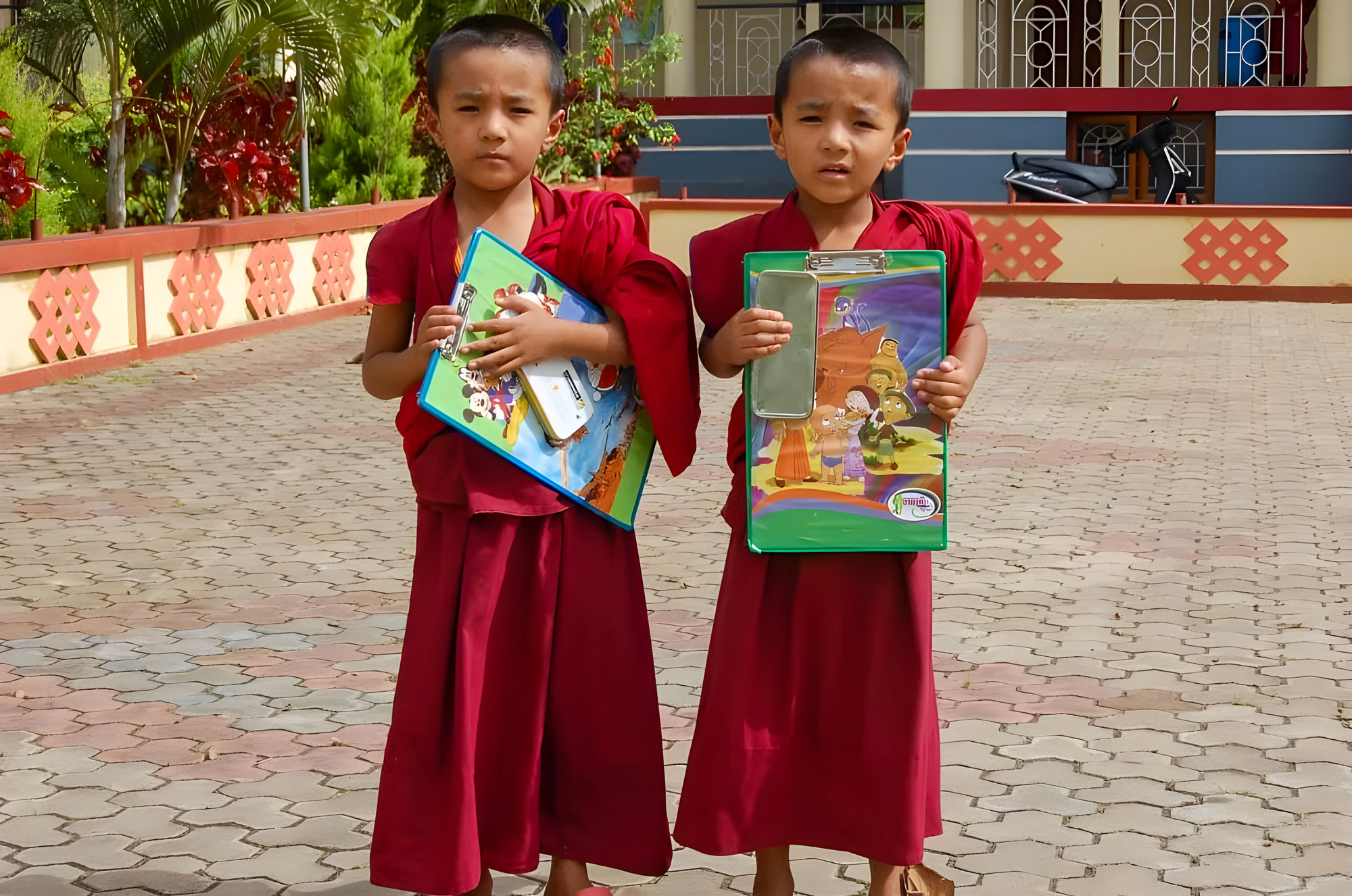
Two children in maroon robes holding up colourful images.

Eduction & Learning

Tashi Lhunpo Monastery School

Founded in 1980, the Monastery School provides education alongside monastic training for over 180 students. The curriculum combines Tibetan language and Buddhist philosophy with modern subjects such as English, mathematics, science, and computer studies.

Students are organised into four Houses, encouraging community, discipline, and healthy competition. The school also values international exchange, with long-standing connections to educational institutions in the UK that support cultural understanding and learning beyond the monastery.

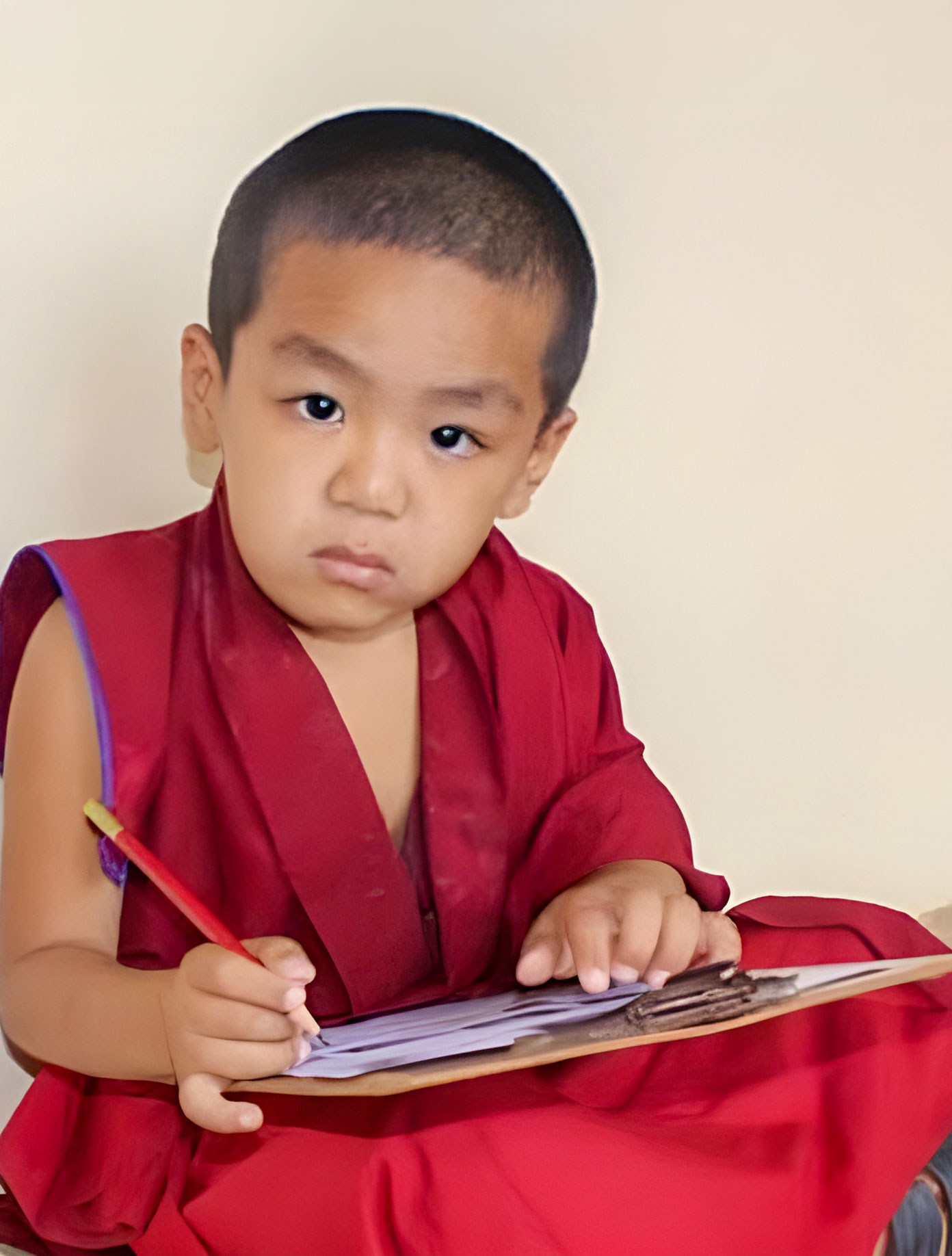
A child in maroon robes writing on a piece of paper.

Advanced Study & Scholarship

Higher Studies (Lobnyeir)

Lobnyeir or Higher Studies in the monastery is a course of study which takes sixteen years to complete. The course includes the arts of healing, dialectics, Sanskrit, arts and crafts, metaphysics and the philosophy of religion, of which the most important are the study of philosophy of religion and dialectics.

These are divided into five branches, known by their Sanskrit names:

  • Prajnaparamita – The Perfection of Wisdom (6 years)
  • Madhayamika – The Middle Path urging the avoidance of extremes (2 years)
  • Vinaya – The Canon of Monastic Discipline (2 years)
  • Abhidharma – Metaphysics (2 years)
  • Pramana – Logic, developing mental powers and dialectics (4 years)

Written and oral examinations are held every year and the final debate examination twice a year in the 3rd and 12th months of the Tibetan Calendar, on a date set by the Examination Committee. The monks gather in front of the Temple in the presence of Khen Rinpoche (the Abbot), Kachen Choera (the teacher responsible for debate standards in the monastery), a representative of the Administrators and the Geykoe (the Disciplinarian). Topics to be debated are written on pieces of paper which are picked at random by each candidate, who will debate for and against the particular topic.

On completion of their Higher Studies, the monks attain the Degree of Kachen, known in other monasteries as Geshe Lharampa.

Many senior students also take part in the external Gelugpa debating examinations, testing their knowledge against those of other traditions and obtaining the Geshe Degree in addition to their Kachen Degree.

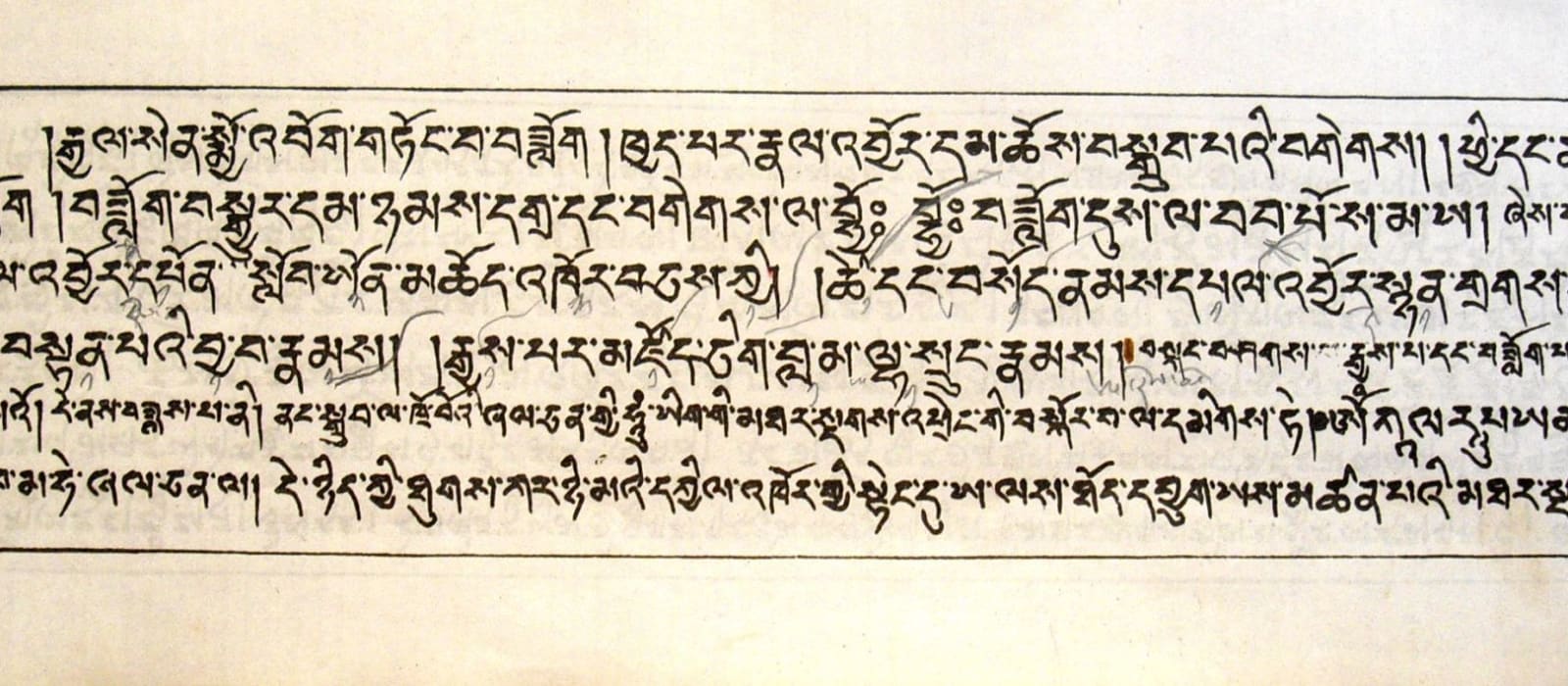
A close-up of traditional Tibetan handwriting on parchment.

Governance & Leadership

The Administration of the Monastery

Tashi Lhunpo Monastery is guided by a clearly defined system of spiritual leadership and administration. The Abbot, appointed by His Holiness the Dalai Lama, holds overall responsibility for the monastery’s spiritual, academic, and organisational life, supported by elected administrators and senior monastic officers.

Together, they oversee education, daily life, discipline, finances, and the preservation of monastic traditions, ensuring the monastery continues to function with integrity, accountability, and care for the entire community.

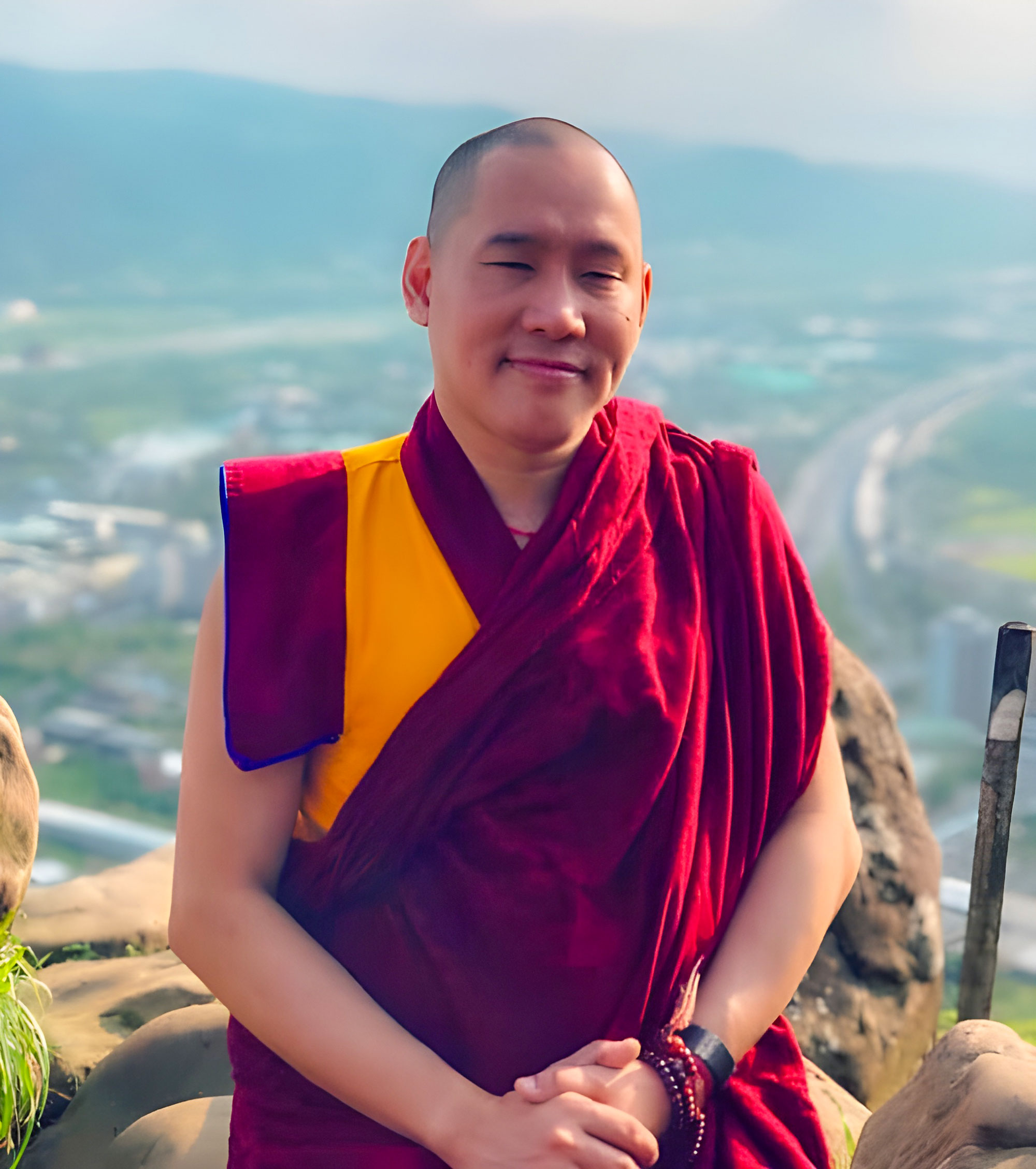
Portrait of Khen Rinpoche Zeekgyab Tulku The Present Abbot up high with a mountainous background.
The Present Abbot - Khen Rinpoche Zeekgyab Tulku

Discover More

Explore More About Tashi Lhunpo

Discover more about Tashi Lhunpo, its history, and the spiritual lineage that has guided the monastery through the centuries.

Your Support Matters

Explore, Support, and Make a Difference

Learn more about Tashi Lhunpo Monastery, discover meaningful ways to support its work, and see how your involvement helps sustain monastic life, education, and a living spiritual tradition in exile.

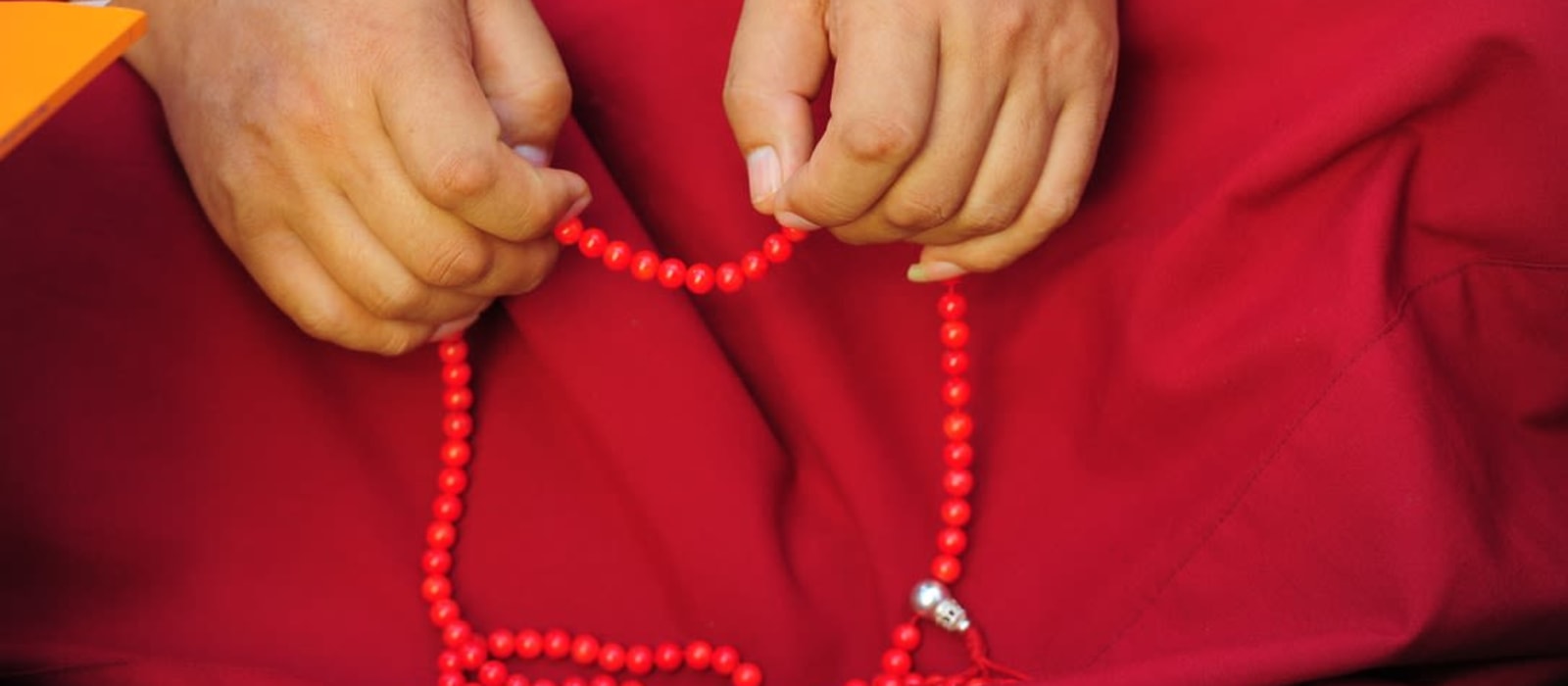
Hands holding red prayer beads (mala).

Stay Connected

Sign Up for Our Newsletter

Receive occasional updates about the monastery’s work, events, and ways to support monastic life and culture.