Through the Centuries
Our History
Explore the history of Tashi Lhunpo, from its origins in Tibet to its re-establishment in India and its continuing Panchen Lama tradition.
Buddhist Monastic Culture
The Tibetan calendar guides the rhythm of monastic life, marking sacred festivals, rituals, and important dates that shape practice, devotion, and tradition throughout the year.
Monastic Timekeeping
The Tibetan Calendar System
There are a number of special days marked in the Monastery calendar. These days are taken from the Tibetan calendar which is based on a lunar system with 360 days and 12 months, with an additional month added every 30 months to keep the calendar aligned with the seasons. The rules for calculating the details of the Tibetan calendar are very complicated, and are handed down from master to student in the Tibetan Medical and Astrological Institute which prepares a detailed astrological chart for each year. To add to the complexity there are ‘skipped’ days (tsi chad-pa) and doubled days (tsi lhag-pa) – or sometimes even months – depending on the chart’s instructions. The year is not divided into four equal parts as the range of each season is based on the location of the sun in the sky. In general, winter is the longest season, then spring, autumn and finally summer. The calendar dates from 1027AD when the Kalachakra Tantra was introduced from Sanskrit into Tibet, and 2020 in the Western calendar is equivalent to 2147 in Tibetan years.
The 60-Year Cycle and Zodiac
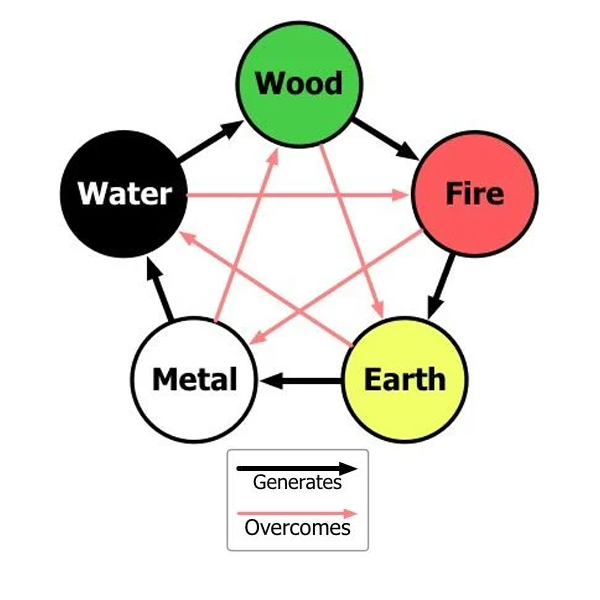
There are twelve animals and five elements assigned to each year in a 60 year cycle called a Rab-byung. These are the Rabbit, Dragon, Snake, Horse, Sheep, Monkey, Bird, Dog, Pig, Mouse, Ox and Tiger, and the elements are Fire, Earth, Iron, Water and Wood. In 2020 we are in the 34th year of the 17th Rab-byung, the year of the Iron Mouse. The next 60-year Rab-byung cycle begins in 2047 (western calendar) with the Fire Rabbit year. Months are numbered rather than named, but each are again ruled by animal signs, the first being the Dragon.
Auspicious Days and Sacred Dates
Particular days of any given month are given special significance, either for good or bad. For example, the 8th day of each lunar month is considered an auspicious day for making offerings to the Goddess Tara. In general, the waxing half of the lunar month is generally considered more auspicious than the waning part of the month, therefore it is better to begin projects near the beginning of the month so that they can increase with the waxing of the moon. The most important date of the Tibetan Buddhist year is Saga Dawa, the anniversary of Buddha’s birth, enlightenment, and passing away which falls on the 15th day of the 4th month.
New Year and Festivals
Losar, Tibetan New Year, falls on the 1st day of the 1st Tibetan month, usually in February, and is preceded by the Gutor Festival during the final days of the old year, where the masked dance rituals clear the negative influences from the previous year.
Special Days in the Monastery's Year
| Tibetan Month | Date | Event |
|---|---|---|
| 1st Month Dragon | 1 | Losar, Tibetan New Year |
| 3 | New Kachen Oath Ceremony | |
| 8-18 | Choetrul Monlam Chenmo (Great Prayer Festival) | |
| 2nd Month Snake | ||
| 3rd Month Horse | 25 | Lobnyeir – Monastic Exams |
| 4th Month Sheep | 15 | Saka Dawa, the celebration of the Buddha’s birth, enlightenment and ascent to Paranirvana |
| 5th Month Monkey | 14-16 | Tashi Lhunpo Summer Monlam (Prayer) |
| 6th Month Bird | 4 | Drukpa Tse Shi – Preaching Day: celebrating the Lod Buddha turning the Wheel of Dharma |
| 15 | Yaar-nay – Beginning of the Summer Retreat | |
| 7th Month Dog | International Gelugpa Examinations at Sera, Gaden or Drepung Monastery | |
| 8th Month Pig | 1 | End of the Summer Retreat |
| 1-5 | Gak-ye – Summer holiday | |
| 9th Month Mouse | 22 | Lhabab Duchen – celebration of Lord Buddha’s Descent from Heaven |
| 10th Month Ox | 25 | Anniversary of the death of Jhe Tsong Khapa, founder of the Gelug School of Tibetan Buddhism |
| 11th Month Tiger | 1-30 | Jang Gunchoe – Winter Debate Session for the Gelugpa School |
| 12th Month Rabbit | 5 | Tashi Lhunpo Namdrel Parmana Exams |
| 25-29 | Gutor Festival – Monastic Cham Dances |
Special Days in the Monastery's Year
| Date | Event |
|---|---|
| 25th April | Birthday of His Holiness the 11th Panchen Lama |
| 6th July | Birthday of His Holiness the 14th Dalai Lama |
| 2nd September | Democracy Day |
| 10th December | Nobel Peace Prize Day |
Special Days in the Monastery's Year
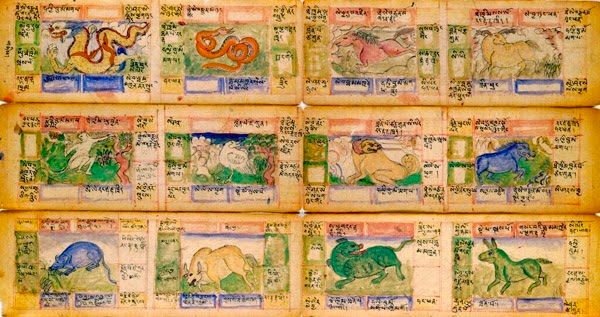
| Rab-byung 17th – 60th Years | Name | Date (Western calendar) |
|---|---|---|
| 34 | Iron Mouse | 2020 |
| 35 | Iron Ox | 2021 |
| 36 | Water Tiger | 2022 |
| 37 | Water Rabbit | 2023 |
| 38 | Wood Dragon | 2024 |
| 39 | Wood Snake | 2025 |
| 40 | Fire Horse | 2026 |
| 41 | Fire Sheep | 2027 |
| 42 | Earth Monkey | 2028 |
| 43 | Earth Bird | 2029 |
| 44 | Iron Dog | 2030 |
| 45 | Iron Pig | 2031 |
| 46 | Water Mouse | 2032 |
| 47 | Water Ox | 2033 |
| 48 | Wood Tiger | 2034 |
| 49 | Wood Rabbit | 2035 |
| 50 | Fire Dragon | 2036 |
| 51 | Fire Snake | 2037 |
| 52 | Earth Horse | 2038 |
| 53 | Earth Sheep | 2039 |
| 54 | Iron Monkey | 2040 |
| 55 | Iron Bird | 2041 |
| 56 | Water Dog | 2042 |
| 57 | Water Pig | 2043 |
| 58 | Wood Mouse | 2044 |
| 59 | Wood Ox | 2045 |
| 60 | Fire Tiger | 2046 |
Discover More
Explore the history of Tashi Lhunpo and the community dedicated to preserving Tibetan Buddhist traditions for future generations.
Through the Centuries
Explore the history of Tashi Lhunpo, from its origins in Tibet to its re-establishment in India and its continuing Panchen Lama tradition.

Monastic Life
Explore life at Tashi Lhunpo Monastery, its purpose, values, education, and the community preserving Tibetan Buddhist tradition in exile.

Spiritual Lineage
Discover the Panchen Lamas, the spiritual leaders of Tashi Lhunpo, whose lineage has guided Tibetan Buddhism for centuries.
Your Support Matters
Learn more about Tashi Lhunpo Monastery, discover meaningful ways to support its work, and see how your involvement helps sustain monastic life, education, and a living spiritual tradition in exile.